How to Design a Database Change Audit in PHP
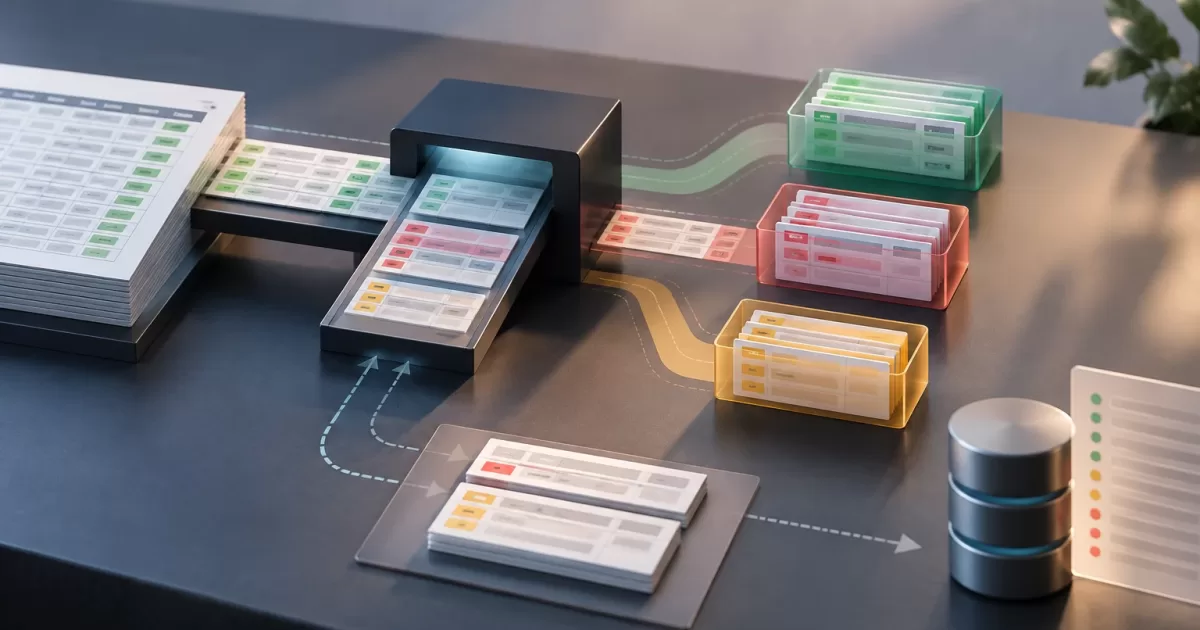
Learn how to record who changed what, when, and in what context in a PHP application, protect the history, and verify its integrity without duplicating the entire database.
Clear guides on SaaS products, architecture, automation, data, AI, quality, DevOps, commerce and PHP teams, written from a delivery perspective.
Guides and analysis organized by discipline for easy reading and quick access to the topic you need.
Learn how to record who changed what, when, and in what context in a PHP application, protect the history, and verify its integrity without duplicating the entire database.
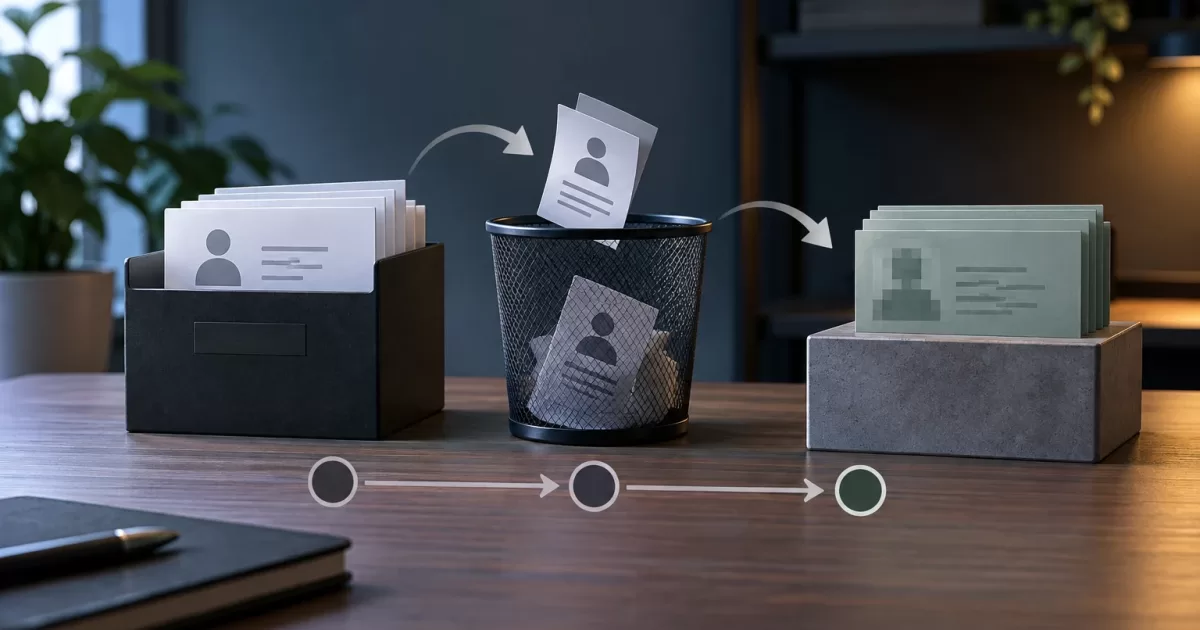
Design a data deletion workflow in PHP with clear scope, resumable execution, and system-by-system checks—without confusing a logical deletion with an effective one.
Design PHP exports that scale without blocking the application: authorization, chunked processing, protected downloads, expiration, and recovery.
A data migration cannot always be undone by restoring a backup. Learn how to choose between resuming, compensating, or restoring with verifiable controls.
Learn when a canary deployment in PHP makes sense, what infrastructure and metrics you need, and how to pause or roll back without putting all users at risk.
Learn how to pause sensitive operations, separate proposals from authorization, handle changes and retries, and keep an auditable record of every decision.
Design PHP imports that isolate invalid or questionable rows, let you correct and safely retry them, and maintain an auditable history.
Assign external PHP work without creating hidden dependencies: classify tasks, define interfaces, agree on how to handle blockers, and review autonomy from the first deliverables.
Set limits by identity, operation, and time; distinguish quotas from concurrency, and measure rejections before adjusting the policy.
Learn how to distinguish roles, capabilities, and store-specific rules to define access in WooCommerce, test it, and reduce operational errors.
Compare Laravel, Symfony, CodeIgniter, and Laminas based on your team, integrations, and operations—and find out when to keep your existing framework.
Design a verifiable workflow to locate, delete, or anonymize data in a PHP application, handle failures, and verify the outcome without affecting records that must be retained.
We explain when each topic matters and which risk it addresses.
We compare alternatives and make their trade-offs visible.
We connect theory with real PHP systems.
Tell us about the context, the main blocker and the outcome you need. We will reply with the questions required for an initial assessment.